Property Managers & HOAs: Your Guide to Scheduled Commercial Pressure Washing in DFW
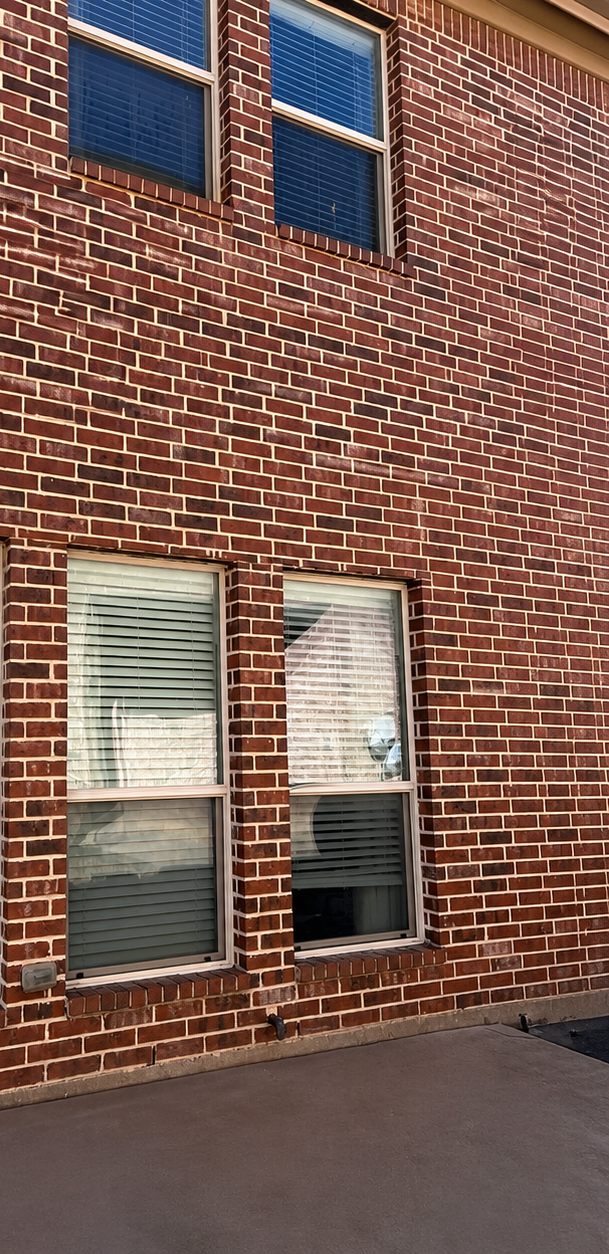
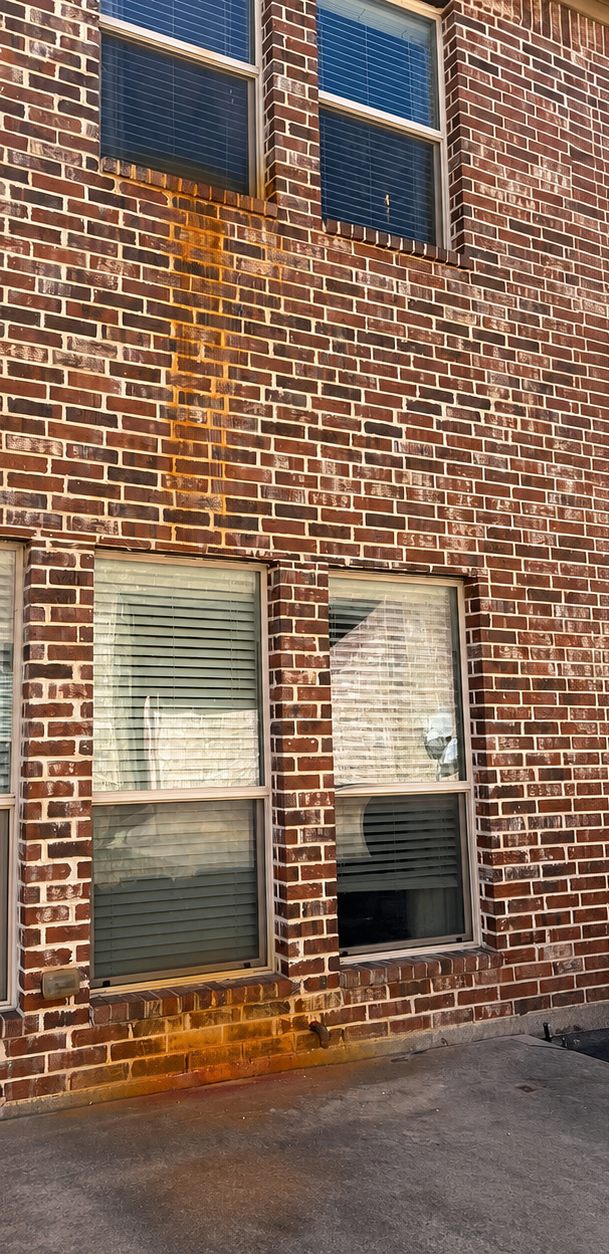
A slip-and-fall on a dirty sidewalk costs more than a year of professional pressure washing. Most DFW property managers clean reactively — after the complaint, the lawsuit, or the failed inspection. A scheduled maintenance plan changes that math entirely.
Cleanest Pressure Washing is a veteran-owned company based in Carrollton. We clean homes and commercial properties across Plano, Frisco, Lewisville, The Colony, Coppell, and the broader DFW Metroplex. This guide is written for the people who manage multiple properties — property managers, HOA board members, restaurant owners, and retail center operators who need predictable exterior cleaning, not another fire to put out.
If you're a business owner or property manager responsible for keeping commercial spaces clean, safe, and presentable, the sections below break down why scheduled pressure washing protects your properties, tenants, and bottom line — and how to set up a plan that works.
Why Routine Commercial Cleaning Matters
Exterior cleaning for commercial properties isn't cosmetic. It's operational. Here's what's actually at stake:
Liability reduction
Texas premises liability law under the Civil Practice & Remedies Code puts a duty on property owners and managers to maintain reasonably safe conditions. A slip-and-fall on a moldy walkway or a grease-slicked restaurant entrance is exactly the kind of claim that triggers a lawsuit. Average slip-and-fall settlements in Texas range from $20,000 to over $100,000 — and that's before legal defense costs, insurance premium increases, and the management time consumed by the claim. A monthly cleaning contract for a retail center runs $300–600/month. The math is straightforward.
Tenant retention
Clean properties attract and keep quality tenants. A tenant at a retail center on a busy corridor like the one near Downtown Carrollton or The Colony's retail districts notices when the sidewalk is grimy, the dumpster pad smells, or the entry walkway has algae buildup. Tenants renew when they feel the property is maintained. When they don't, they leave — and vacancy costs dwarf the cost of a cleaning schedule.
Property value preservation
Curb appeal directly affects lease rates and property appraisals. When you're managing a retail strip center, an HOA community in Frisco, or a multifamily property near Legacy West in Plano, the exterior condition of the property is the first thing prospective tenants, buyers, and appraisers see. A property that looks neglected signals deferred maintenance across the board.
Health and safety compliance
Mold, mildew, and grease buildup on walkways, loading docks, and dumpster areas create real OSHA and ADA compliance risks. Oil stains on parking garage ramps make surfaces slippery. Food waste residue at restaurant entries attracts pests and creates health inspection concerns. These aren't theoretical risks — they're the kind of issues that generate complaints, citations, and insurance claims.
Surfaces That Need Regular Attention
Not every surface on a commercial property needs the same cleaning frequency or method. Here's where the problems develop — and how often each area typically needs service in the DFW climate:
- Sidewalks and entryways. Monthly for high-traffic retail. These get gum, food residue, foot-traffic grime, and — in North Texas — clay soil tracking during rain. This is the highest-liability surface on most commercial properties.
- Parking lots and garages. Quarterly. Oil stains, tire marks, standing water discoloration, and debris accumulation. Parking garages need attention on ramps and pedestrian walkways especially.
- Dumpster pads and loading docks. Monthly. Food waste, grease, and odor. These areas degrade fast and create health code and pest concerns.
- Building exteriors and facades. Semi-annual. Pollen, mold, hard water staining, and dirt accumulation. First impressions for tenants, customers, and visitors.
- HOA common areas. Seasonal. Algae on sidewalks, green buildup on retaining walls, and clay soil residue on community entrance signs and monuments.
- Restaurant grease on curbs and walkways. Monthly. Cooking grease and oil travel from kitchen exhaust areas and back-of-house exits to customer-facing walkways. This is a slip hazard and a health inspection trigger.
- Apartment complex pool decks and breezeways. Seasonal. Mold, mildew, sunscreen residue on pool decks, and pollen buildup in breezeways. These are high-visibility areas for residents and prospective tenants touring units.
If you manage properties in areas like multifamily complexes, restaurant and retail storefronts, or HOA communities, each property type has its own risk profile and cleaning cadence. We build schedules around what your specific properties need, not a generic checklist.
Sample Maintenance Schedule
This table covers typical cleaning frequencies for common commercial surfaces across DFW. Adjust based on foot traffic, property type, and seasonal conditions.
| Surface | Frequency | Method | Why |
|---|---|---|---|
| Retail sidewalks | Monthly | Pressure wash, 3,000 PSI | Gum, foot traffic grime, food residue |
| Restaurant curbs | Monthly | Hot water pressure wash | Cooking grease + oil buildup |
| Parking garages | Quarterly | Pressure wash + degreaser | Oil stains, dirt, debris buildup |
| HOA common areas | Seasonal | Soft wash + pressure combo | Algae, pollen, clay soil |
| Apartment breezeways | Seasonal | Soft wash | Mold, mildew, pollen |
| Dumpster pads | Monthly | Hot water + degreaser | Food waste, grease, odor |
| Building facades | Semi-annual | Soft wash | Pollen, mold, hard water stains |
Key point: the right method matters as much as the right frequency. High pressure on a building facade or a painted surface can cause damage. Soft washing uses lower pressure with a cleaning solution tailored to the specific contaminant — algae, mold, or grease. Every surface gets the approach that cleans effectively without creating a new problem.
The Cost of Skipping It
Property managers who clean reactively pay more — in claims, in tenant turnover, in emergency cleaning, and in property value erosion. Here are real scenarios we've seen across DFW:
Plano retail center — slip-and-fall claim. A tenant's customer slips on a moldy walkway at a shopping center near Legacy West. The injured party files a premises liability claim. Legal defense, settlement, insurance premium increase, and the emergency deep-clean that follows cost the property management company roughly $45,000. A monthly sidewalk cleaning contract at that property would have run about $400/month — less than $5,000/year.
Carrollton restaurant — health inspection failure. A restaurant near Downtown Carrollton fails a routine health inspection. The inspector flags grease buildup on the customer entry walkway and food residue at the back-of-house exit. The restaurant gets a remediation deadline, bad reviews, and a temporary dip in foot traffic. The total cost — remediation, lost revenue, reputation damage — adds up fast. Monthly hot-water cleaning of the entry and back-of-house walkways would have prevented the issue entirely.
Frisco HOA — resident complaints. An HOA community in Frisco starts getting complaints about green algae on the pool deck and green buildup on the community entrance monument. Homeowners reference the HOA's maintenance obligations in board meetings. The board scrambles for an emergency cleaning — which costs 30–50% more than a scheduled seasonal service because of the urgency and mobilization. The algae was a predictable, seasonal problem that a maintenance plan would have addressed on schedule.
In every case, the reactive cost was 5–10× what a scheduled cleaning plan would have cost. The difference isn't the cleaning itself — it's the consequences that come from skipping it.
What to Look for in a Commercial Pressure Washing Provider
Not every pressure washing company is set up for commercial work. Here's what matters when you're evaluating providers for a maintenance contract:
- Licensed and insured — verify, don't just take their word. Ask for a certificate of insurance before the first job. General liability and workers' comp are both relevant. If they can't produce documentation, that's a red flag.
- Documented process. A written scope of work, photo documentation before and after each visit, and a consistent service checklist. You need proof of work for your own records, insurance purposes, and tenant communication.
- Flexible scheduling. Retail centers, restaurants, and apartment complexes can't have a crew setting up during business hours. Look for providers who work nights, weekends, and after-hours to avoid disrupting tenants and customers.
- Volume pricing for multi-property accounts. If you manage multiple properties, you should get a consolidated rate — not individual per-property markups. A provider who works with property managers understands portfolio-level pricing.
- Experience with your property type. Cleaning an HOA community entrance is different from cleaning a restaurant grease pad, which is different from a parking garage ramp. Ask about experience with your specific property type and request references from similar DFW properties.
- References from similar DFW properties. Ask for references from property managers or HOA boards in your area. A provider who works with commercial properties in Carrollton, Plano, Frisco, or Lewisville will understand the local conditions — hard water, clay soil, pollen cycles — that affect cleaning schedules.
Schedule a Commercial Account Consultation
Need a maintenance plan for your DFW properties?
Cleanest Pressure Washing offers scheduled maintenance plans for commercial properties across the Metroplex. We serve Carrollton, Plano, Frisco, Lewisville, The Colony, Coppell, Addison, and the broader DFW area. Call for a commercial account consultation — we'll build a schedule that matches your properties, your tenants, and your budget.
Call (214) 636-8577 Book Online We'll confirm scope, schedule, and pricing before anything is booked.Learn more about our commercial services at our commercial overview, or jump to the service that matches your property:
- Property Management Pressure Washing — multifamily and rental exteriors
- Restaurant & Storefront Cleaning — curbs, walkways, entries
- HOA & Multifamily Cleaning — common areas, pools, breezeways
Frequently asked questions
How often should a commercial property be pressure washed in DFW?
It depends on the surface and property type. High-traffic retail sidewalks and dumpster pads need monthly service. Parking garages do well on a quarterly schedule. Building facades and HOA common areas are typically cleaned semi-annually or seasonally. We build custom schedules based on your property's specific conditions — traffic, exposure, and contaminant type.
What's the difference between commercial and residential pressure washing?
Commercial jobs are larger in scope, require after-hours scheduling, and involve surfaces that residential work doesn't — grease pads, loading docks, parking garages, dumpster areas, and high-traffic walkways. Commercial also requires a documented process, photo proof of work, and often volume pricing across multiple properties. The equipment and methods differ too: hot-water systems for grease, commercial-grade surface cleaners for large flatwork, and soft-wash systems for building facades.
Can you clean our restaurant property after hours?
Yes. We schedule restaurant and retail work during off-hours — nights, early mornings, and weekends — to avoid disrupting service. This includes curbside cleaning, walkway degreasing, and entry area maintenance. We coordinate with your team to confirm access and water source availability.
Do you offer maintenance contracts for HOAs?
Yes. We offer seasonal and scheduled maintenance plans for HOA communities across DFW. These typically cover community entrance monuments and signs, pool deck and common area walkways, retention walls, and sidewalk networks. We provide photo documentation after each service visit for board records.
How much does commercial pressure washing cost per visit?
Commercial pricing depends on the surface area, method required, and scheduling constraints. A typical monthly service visit for a retail center's sidewalks, entryways, and dumpster pad runs $300–600/month. Multi-property accounts and annual contracts receive volume pricing. We provide a detailed, itemized quote after assessing your properties — no vague estimates.
Ready to set up a cleaning schedule for your properties? Call (214) 636-8577 or request a free estimate. We serve commercial properties across Carrollton, Plano, Frisco, Lewisville, The Colony, Coppell, Addison, and the broader DFW Metroplex.