
7 Warning Signs Your Fence or Deck Needs Professional Cleaning (Before It Becomes a Bigger Problem)
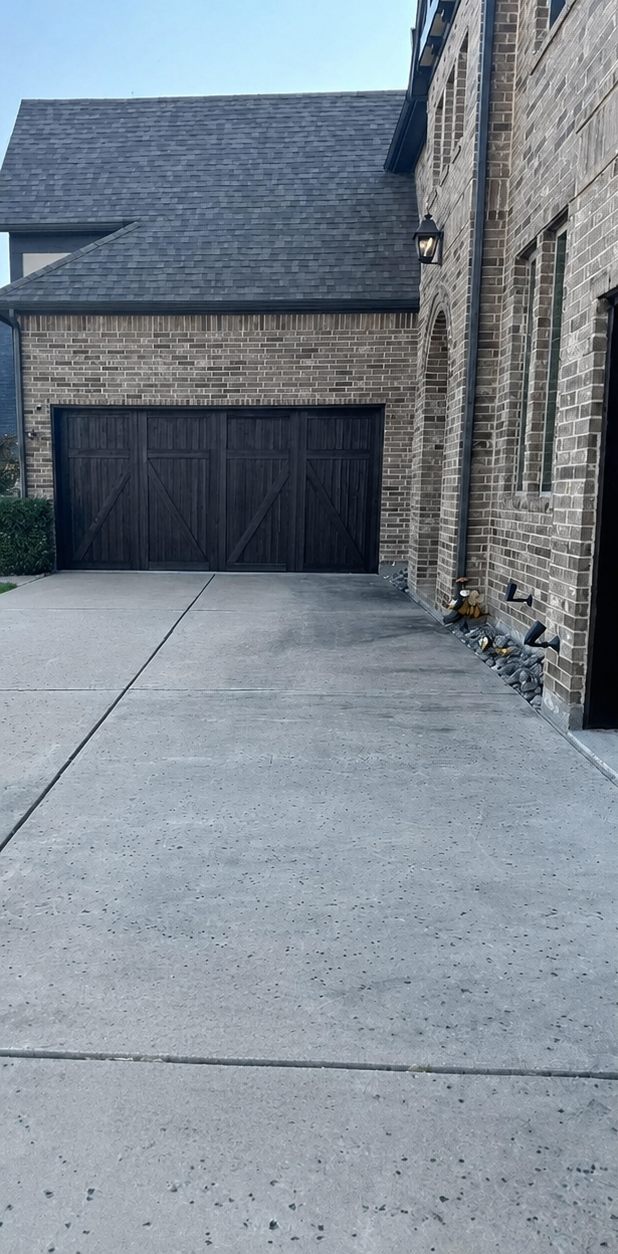
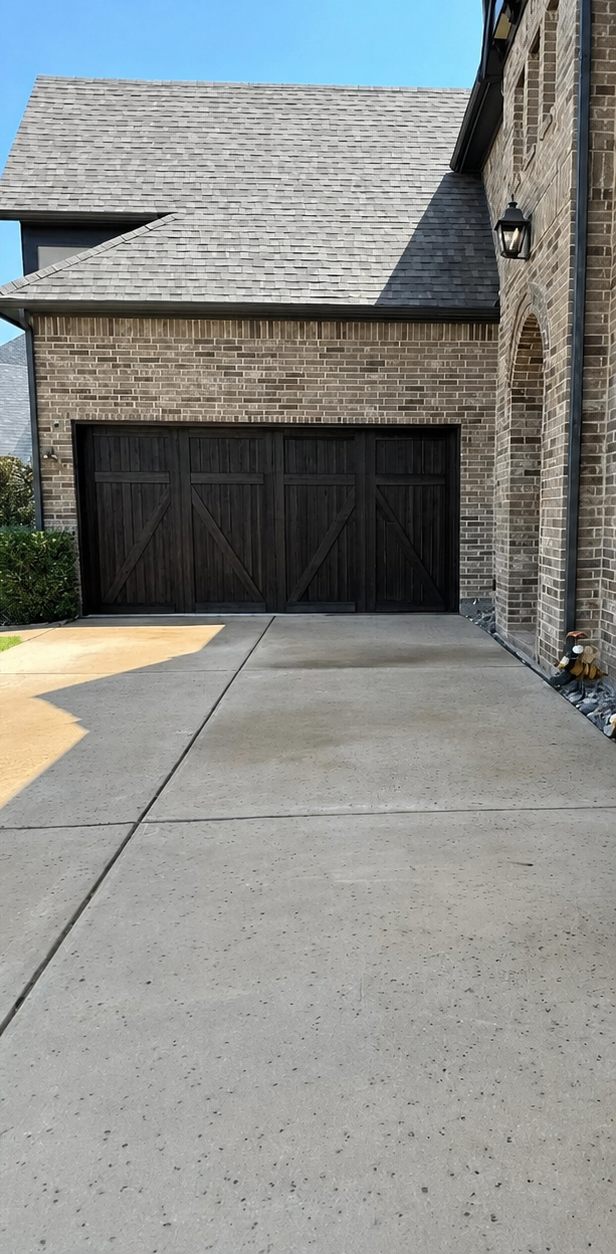
Your fence and deck take the worst of North Texas weather. Between 100°F summers, freezing winters, oak pollen, clay soil splash-back, and humidity, wood and vinyl surfaces in DFW degrade faster than most homeowners realize. If you're a Frisco or Lewisville homeowner looking at a fence that doesn't seem right but you can't quite put your finger on why, this one's for you — here are the 7 warning signs that your fence or deck needs attention before a small problem becomes a full replacement project.
Sign 1: Green or black discoloration
If your fence pickets or deck boards have patches of green or black creeping across the surface, that's algae and mildew — and in North Texas it shows up fast. Algae (the green stuff) and mildew (the black) absolutely love north-facing fences and shaded deck boards, exactly the spots that never fully dry out after a DFW rain.
Here's why this matters beyond appearances. On wood, mildew doesn't just sit on top — it eats into the grain, breaking down the fibers from the surface inward. On vinyl fencing, it doesn't eat the material the same way, but it embeds into the textured surface where plain water won't touch it. The longer it stays, the more it stains and the harder it is to remove without damage. If you're seeing green or black you can't scrub off, that's buildup that's been there long enough to bond.
Sign 2: Graying or fading wood
North Texas sun is relentless — northern parts of the state see 230+ sunny days a year. That UV exposure strips wood of its color and the natural protective oils that keep it flexible and resilient. A deck that's gone from honey-brown to a washed-out gray isn't just losing its looks; the wood is drying out and turning brittle from the outside in.
Aged gray is different from dirt. Dirt washes off and reveals the wood tone underneath. Graying is the wood itself breaking down — the top layer of fibers has been "sunburned" and is oxidizing. Once a board is truly gray and brittle, pressure washing it will only make it worse, because that fragile top layer is what gets torn away. Catching this early and getting the surface cleaned and sealed can save the wood before it starts checking and cracking.
Sign 3: Slippery surfaces when wet
Algae, mildew, and moss create a slick biofilm on deck boards and fence rails. After a rain — or around a pool — that film turns a perfectly normal board into a fall hazard. This is one of the most underrated risks on a backyard deck, and it's especially a concern on back decks and around pools where kids and bare feet are the norm.
If you notice yourself or your family correcting your step on the deck after it rains, or if the fence rails feel greasy to the touch, that's the biofilm doing its thing. It's also a sign the microbial growth is thick enough that a simple sweeping won't fix it. A proper clean removes the slippery layer entirely and restores a grip-friendly surface.
Sign 4: Mold or mildew smell
Smell is one of the most reliable signs that cleaning is overdue. If your deck or the area near your fence smells musty — even when it's dry outside — microbial growth has established itself inside the wood fibers, not just on the surface. That embedded growth is what gives wood that damp, earthy odor you can't air out.
The reason to take this seriously: that growth spreads. Mildew doesn't stay on one board. It migrates to whatever it's in contact with — adjacent siding, eaves, the fascia board under your roofline, even the base of a neighboring wall. A fence or deck that smells now can quietly introduce a musty problem to the exterior of your house. Cleaning removes the growth at the source before it moves.
Sign 5: Visible wood splintering or raised grain
When water and UV break down wood fibers, the grain starts to lift and splinter. You'll see it as rough patches where you can feel the ridges of the wood, and as actual splinters that snag on bare feet. This is your deck telling you the surface is compromised.
Here's the catch that ties into the DIY section below: this sign gets worse if you pressure wash it with too much PSI. High pressure tears up an already-lifted grain instead of cleaning it, leaving a fuzzy, splintery mess you made worse. Raised grain should be treated gently — with the right chemical approach and low pressure — not blasted.
Sign 6: Cracking or warping boards
Moisture cycling — wet, dry, wet, dry — is brutal on wood, and North Texas delivers plenty of it in every season. Boards absorb water and swell in humidity and after storms, then dry out and shrink in the summer heat. Over time that constant movement causes boards to crack, cup, and warp.
What many homeowners don't realize is that organic growth actually holds moisture against the wood, keeping boards wet longer and accelerating that cracking cycle. Cleaning removes the layer of algae and mildew that clings to moisture, letting boards dry out properly and live longer. You can't reverse a board that's already cracked, but you can stop the conditions that cause new damage.
Sign 7: Dark streaks or runs from fence hardware
Look closely at the areas around your fence hinges, brackets, gate hardware, and screws — especially after a rain. If you see dark rust-colored streaks running down the wood or vinyl below the hardware, that's iron and steel bleeding. The rust stains come from unprotected hardware reacting with moisture, and they wash down and soak into the surface below.
These streaks are stubborn. They don't come off with plain water or generic cleaners, and they deepen over time as more rust continues to bleed. They require a specific treatment to lift, and while the underlying staining might be cosmetic for now, it's a sign the structure is holding moisture where it shouldn't. Getting this cleaned up early keeps the streaks from becoming permanent stains.
Spot any of these on your property? If you're seeing even two or three of these signs on your fence or deck, cleaning is past due. Catching it now is far cheaper than the replacement that's heading your way if you keep putting it off.
Why DIY pressure washing can make it worse
Here's the part a lot of homeowners learn the hard way. Renting a 3,000 PSI pressure washer from the big-box store and blasting your deck on a Saturday seems completely logical — more pressure has to mean cleaner, right? Not when it comes to wood and vinyl fencing. High pressure does real damage in ways that aren't obvious until it's too late:
- On wood: High PSI tears up the grain, creating splinters and that fuzzy texture we talked about. It also pushes water deep into the wood, where it can't dry out — that trapped moisture accelerates rot from the inside out, which is the exact opposite of what you wanted. And on composite decking, blasting can void whatever warranty is still in place.
- On vinyl fencing: High pressure can crack panels, blow out the joiners between sections, and force water behind the panels into the hollow post cavities. That trapped water behind the vinyl becomes hidden mold you can't see but can smell — and it weakens the panels from the back.
- On painted wood: A pressure washer strips paint in uneven patches. You end up with a half-painted fence that needs the entire section repainted to look even — a much bigger job than the cleaning ever was.
The correct approach for wood and vinyl fencing isn't raw pressure at all — it's soft washing: a chemical treatment applied to break down the organic buildup, followed by a gentle low-pressure rinse that washes the loosened growth away without touching the surface itself. For hardscapes like concrete, a controlled low-pressure wash is appropriate. For your fence and deck, the soft-wash route protects the material while still getting it genuinely clean.
What professional cleaning actually involves
A professional fence and deck cleaning goes a lot deeper than "point a wand at it." Here's what a proper job includes so you know what a real quote covers:
- Assessment of material type. Wood, vinyl, composite, painted or stained — each needs a different approach, and that calls for a look at your actual property first.
- Appropriate chemical treatment. Biodegradable cleaning solutions break down algae, mildew, and organic staining without damaging the wood or the plants around your fence line. Landscaping gets protected.
- Controlled pressure application. Low pressure for the framing material, and higher pressure only where the surface genuinely takes it — never on a fragile surface for the sake of speed.
- Post-treatment rinse. Flushing away the loosened growth and the cleaning solution so nothing harmful is left behind.
- Optional sealing and staining prep. A clean surface is the prerequisite for any stain or sealer. You can't stain over mildew — the coating just won't bond, and it'll peel in patches. Cleaning properly is the difference between a finish that lasts and one that fails.
If you're planning to stain or seal your fence or deck this season, a professional clean is the step that makes the whole project hold up.
The cost of waiting
Let's put the numbers in front of you, because they do the talking. In DFW, a full fence replacement typically runs $2,500 to $8,000+ depending on the length of your fence line and the material you choose. A professional fence or deck cleaning runs roughly $299 to $599. A full deck restoration — clean plus stain — runs about $399 to $799.
That means neglecting regular cleaning until replacement is the only option is a 5 to 10 times cost difference for the same 150-foot fence line. Cleaning isn't an expense to trim around your home maintenance — it's the cheapest insurance you'll ever buy for that structure. The homeowners across Frisco, Lewisville, Plano, and Carrollton who schedule cleaning early are the ones who never see a replacement bill.
Not sure if your fence or deck needs cleaning?
Send us photos and we'll tell you — free. We'll let you know what you're looking at, whether it's worth cleaning now, and what it would cost. No pressure, just an honest read.
Call or Text (214) 636-8577 Book Online Veteran-owned • Fully insured • Serving North DFWFrequently asked questions
How often should I have my fence cleaned in North Texas?
In DFW's climate — humid springs, brutal summers, oak pollen, and clay splash-back — most homeowners benefit from a fence and deck clean once a year, ideally in late spring or early summer. Heavily shaded fences and yards under big oaks may need it more often because algae and mildew return faster in low light.
Can pressure washing damage my wood fence?
Yes, if it's done with too much pressure. High PSI tears up the grain, creates splinters, and pushes water deep into the wood where it accelerates rot. The right approach for wood fencing is soft washing — chemical treatment with a low-pressure rinse — which cleans thoroughly without shredding the surface.
What's the difference between cleaning and restoring a deck?
Cleaning removes algae, mildew, dirt, and staining from the surface. Restoration goes further — it includes cleaning plus sanding or brightening the wood and applying a stain or sealer to protect it. Cleaning prepares the deck, and restoration protects it. You generally want cleaning first, and restoration when you're ready to finish the wood.
Is it safe to pressure wash a composite deck?
Composite decking is more forgiving than wood, but you still shouldn't blast it with a 3,000 PSI wand. High pressure can mar the surface and, in many cases, void the manufacturer's warranty. A gentle clean with the right method is fine; aggressive pressure is risky. When in doubt, use the softer approach.
Should I seal my fence after cleaning?
If you want it to last, yes — after the wood is fully clean and dry. A clean, dry surface is essential for any sealer or stain to bond properly. You can't seal over mildew or moisture, so the cleaning step is what makes the sealant worthwhile. Sealing a clean fence protects it from UV, moisture, and this year's growth returning.
Ready for an honest answer? Send a couple of photos of your fence or deck and the city you're in, and we'll tell you if it needs cleaning, restoring, or just a closer look. Call or text (214) 636-8577 or request a free estimate. We serve Frisco, Lewisville, Plano, Carrollton, The Colony, and across North DFW.